Specializing in wedding cakes and desserts for all occasions
Always fresh, always from scratch, always homemade buttercream icing
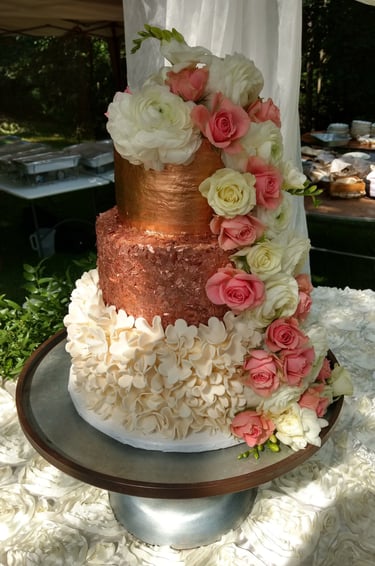
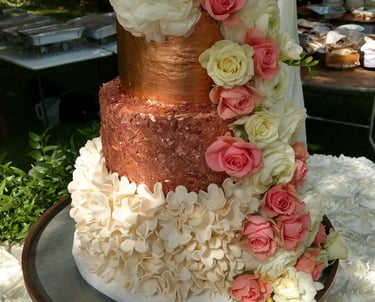
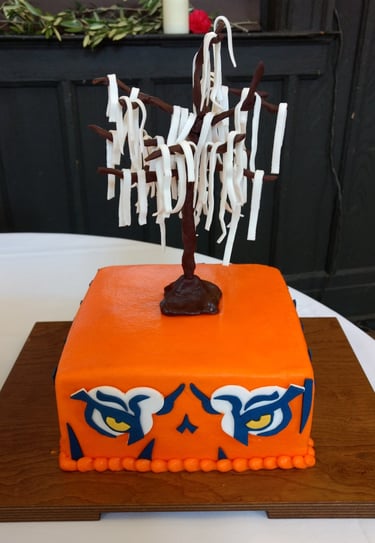
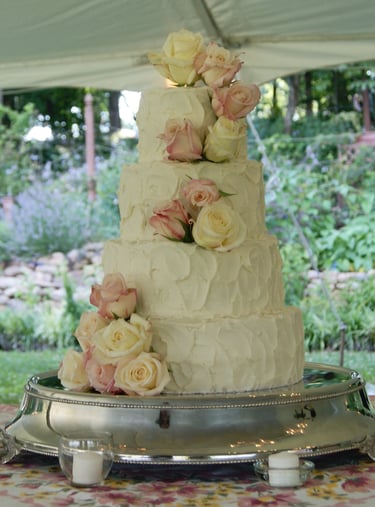
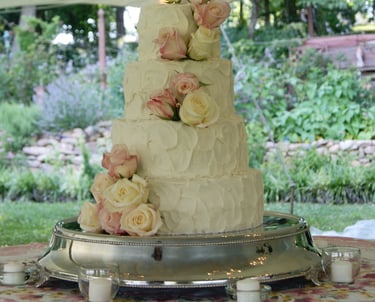
Services we provide
ORDER WITH CONFIDENCE
Embree House Wedding Cakes holds a business license from the state of Tennessee, and our commercial kitchen is regularly inspected and licensed by the Tennessee Department of Health. This means that we meet all of the state's requirements for making and selling baked goods to the public. You can feel confident when ordering your cake from Embree House Wedding Cakes.
OTHER DESSERTS
Planning a special day and can’t settle on just one sweet treat? Why not delight your guests with a customizable dessert bar featuring a delightful array of mouthwatering options! You can showcase an assortment of your favorite desserts, including freshly baked cookies, rich cheesecakes, indulgent dessert shooters, delectable dessert bars, and classic pies. This way, everyone can indulge in their preferred sweets, adding a personalized touch to your celebration. Create an inviting space where guests can mix and match their favorite treats, making the dessert experience enjoyable and memorable for all. Turn your special day into a delightful celebration of flavors that everyone will cherish!